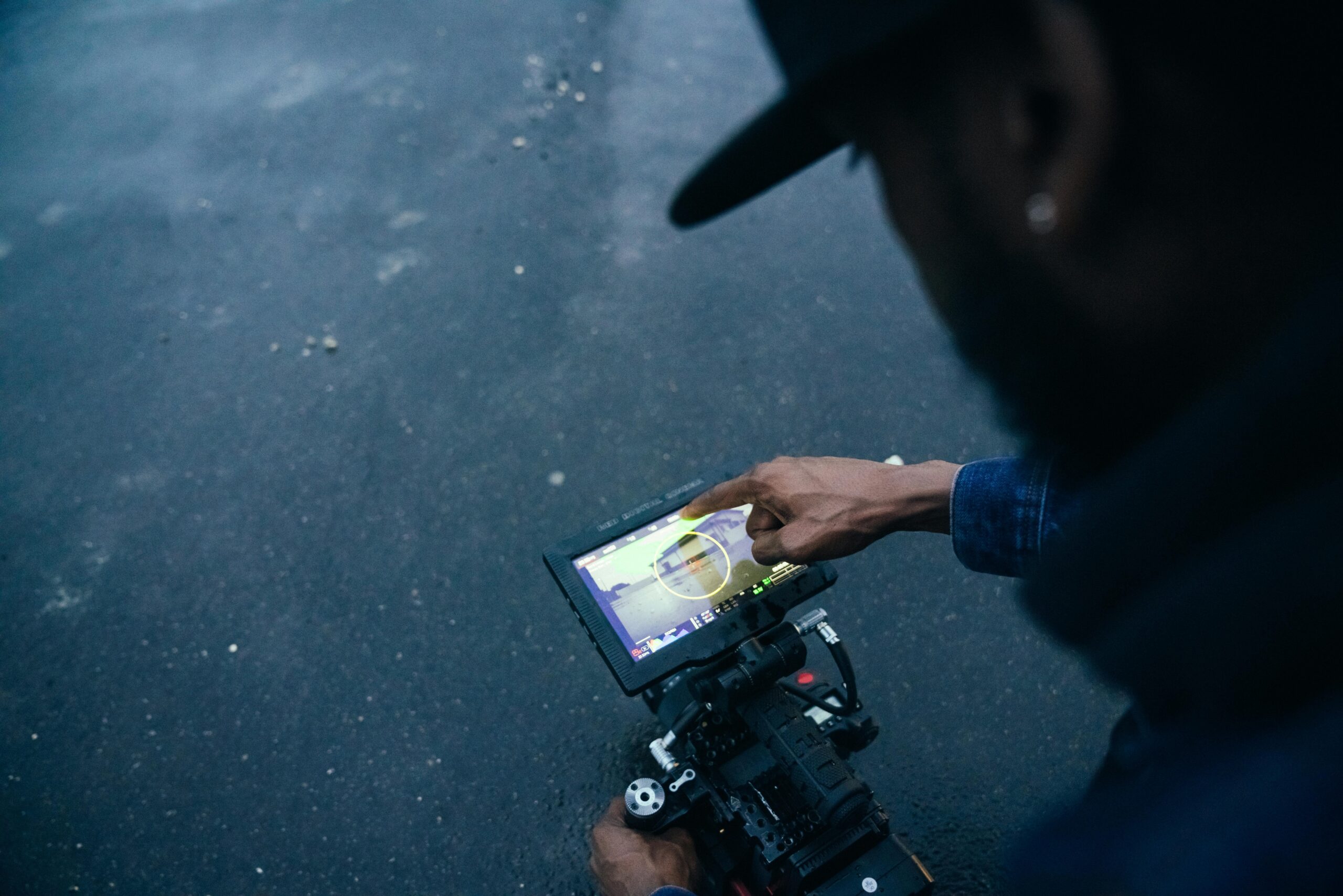
Architecture is designed to be experienced — not just seen.
Plans, sections, and photographs can describe a building. But film allows architecture to be understood in time, through movement, sound, atmosphere, and human interaction. For architects and world builders, documentary filmmaking becomes more than marketing. It becomes a tool of reflection, communication, and preservation.
Architecture Exists in Time
A building is never static.
Light changes. Weather shifts. People move through space. Materials age.
Film captures this temporality.
Through moving image, architecture can be experienced as it unfolds:
- How morning light enters a corridor
- How footsteps echo in a concrete hall
- How wind moves through an open courtyard
- How people actually inhabit a space
As described in the Urbanoise concept, moving image makes architecture tangible — spaces are not only seen, but felt and heard Urbanoise1.
This is something still photography or renderings alone cannot fully communicate.
Documentary as Process, Not Staging
Architectural documentaries differ from promotional videos.
Instead of staging perfection, documentary film observes:
- Construction phases
- Material decisions
- Design discussions
- Human use over time
- Urban context and surroundings
When architects allow their work to be documented in this way, the building becomes part of a larger narrative — social, cultural, environmental.
The film reveals intention.
It answers questions such as:
- Why was this built?
- What problem does it solve?
- How does it respond to its environment?
- What compromises were made?
This deepens understanding beyond surface aesthetics.
Helping Architects Elaborate Their Vision
Many architects think in spatial language, sketches, and technical drawings. Film translates that thinking into an emotional and accessible form.
A well-crafted architectural documentary can:
- Communicate philosophy behind the project
- Clarify design intentions to clients and the public
- Show the building in real use, not in abstraction
- Strengthen the identity of a studio
It becomes a bridge between professional discourse and public perception.
For developers and construction companies, film also demonstrates competence, transparency, and long-term thinking. It shows not just the final product — but the care behind it.
Sound, Movement, and Urban Context
Architecture never exists in silence.
The city has noise.
Spaces have acoustics.
Materials resonate differently.
Film integrates sound as part of spatial storytelling. Rhythm, footsteps, traffic, wind, voices — all become part of how a building is understood.
In urban environments especially, this is essential. Architecture interacts with its surroundings. Film reveals those relationships in a way static imagery cannot.
Archiving for Future Generations
Perhaps the most important function of architectural film is archival.
Buildings change.
Cities evolve.
Interiors are renovated.
Entire districts disappear.
Documentary film becomes a historical record.
For future generations, it preserves:
- Original design intentions
- Construction techniques
- Social context
- Urban atmosphere of a specific time
Architectural archives traditionally rely on drawings and photographs. But film adds a living dimension — it records how a place felt.
Decades later, this material becomes invaluable:
- For researchers
- For urban historians
- For students of architecture
- For communities tracing their transformation
It ensures that architecture is not only remembered visually, but experientially.
Film as Cultural Responsibility
Architecture shapes societies.
Housing, museums, public spaces, infrastructure — all influence how people live and interact. Documenting this work is not merely promotional. It is cultural documentation.
Architectural film contributes to:
- Collective memory
- Urban discourse
- Critical reflection
- Cultural continuity
In that sense, film for architecture is not just a service. It is a responsibility.
Beyond Marketing
When done thoughtfully, architectural film does not aim only for attention — it aims for understanding.
It allows architects and world builders to articulate what they are truly doing:
- Shaping environments
- Influencing social behavior
- Responding to climate and material constraints
- Leaving a trace in history
Film makes that visible.
And more importantly, it makes it lasting.